What AI can teach me (about econ/econometrics), and what class still offers
Shiro just taught probability fundamentals in last week’s class. He asked me to consider whether AI could supplement or replace the lecture, and to what extent. For example, Shiro’s lecture ended with him solving the following problem with the class:
“What is the variance of a sample mean of n binary random variables, ? Derive this using what we have covered so far. [By this point, the class had derived for binary random variables with and discussed how the variance of a sum depends on covariances.]”
Here, I am sharing my experiences taking Introduction to Econometrics and Intermediate Macroeconomics this semester, and the role AI is playing in my learning.
Admittedly, I don’t attend my econometrics lecture because it is recorded. On the other hand, my economics class is not recorded, so I attend regularly, just in case the professor emphasizes something that’ll show up on the exam, even though I feel like I absorb very little content while sitting in class.
With this context, I approached midterms for both classes. I was very proactive in showing up to lecture and section, as well as review sessions and office hours, for my economics class. And this paid off. My study method was doing all the psets three times over to internalize what I needed to do, and I used AI to help me understand why I needed to do it. While the class posted pset solution keys, they were not very elaborate, and the missing steps are what help me build intuition. So I took screenshots of the problem and solution, and asked AI to walk me through how to reach the solution.
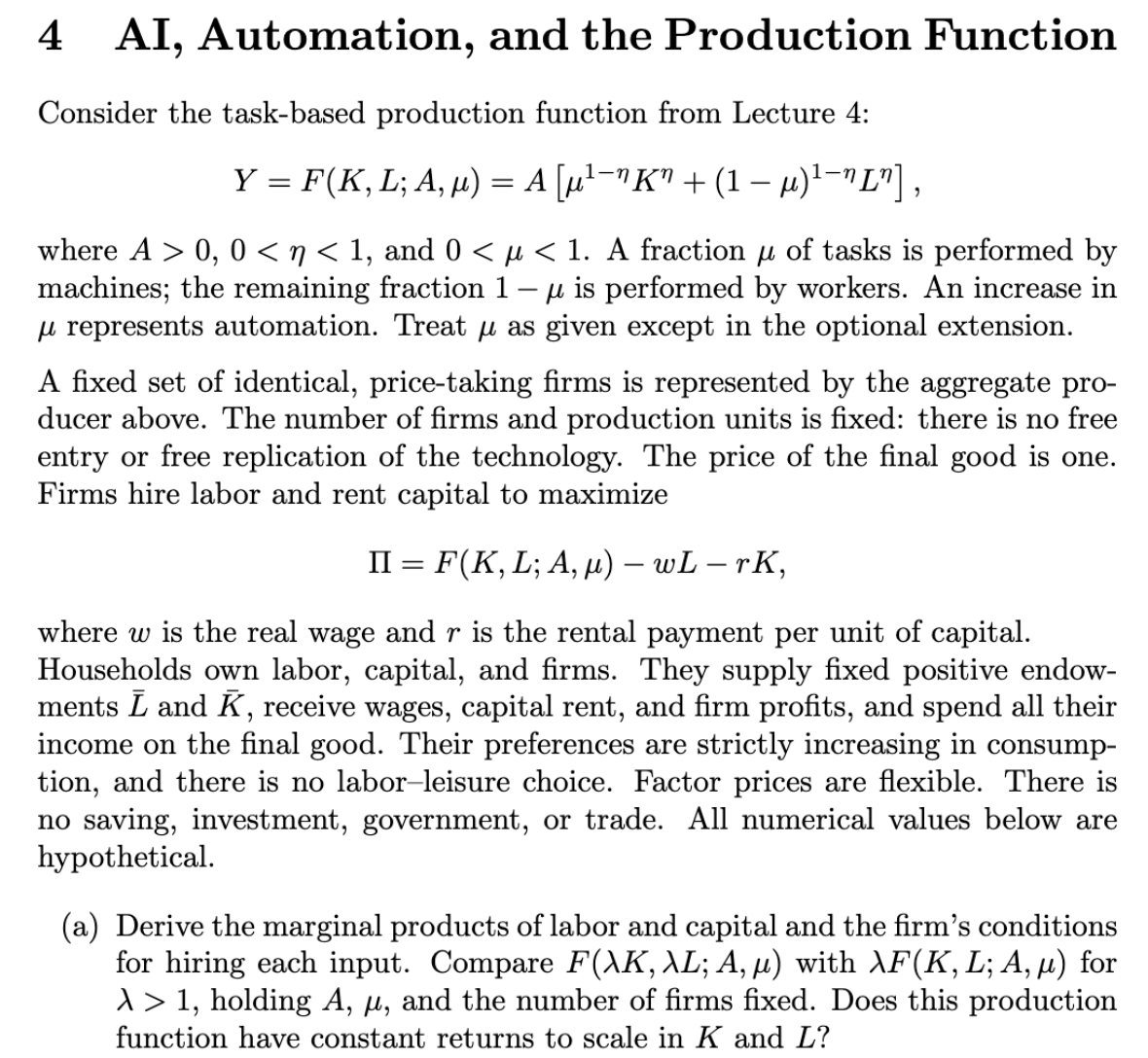
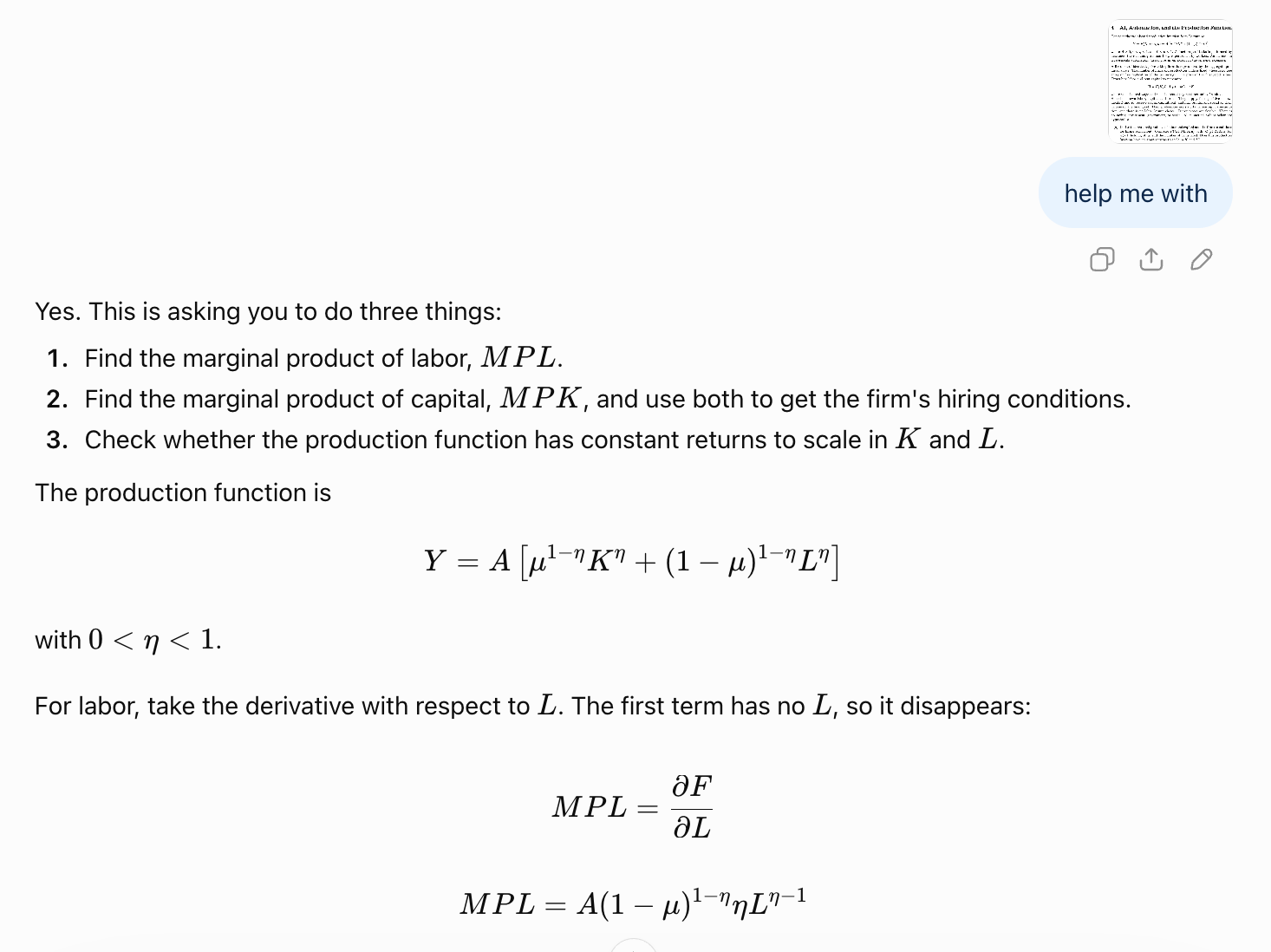
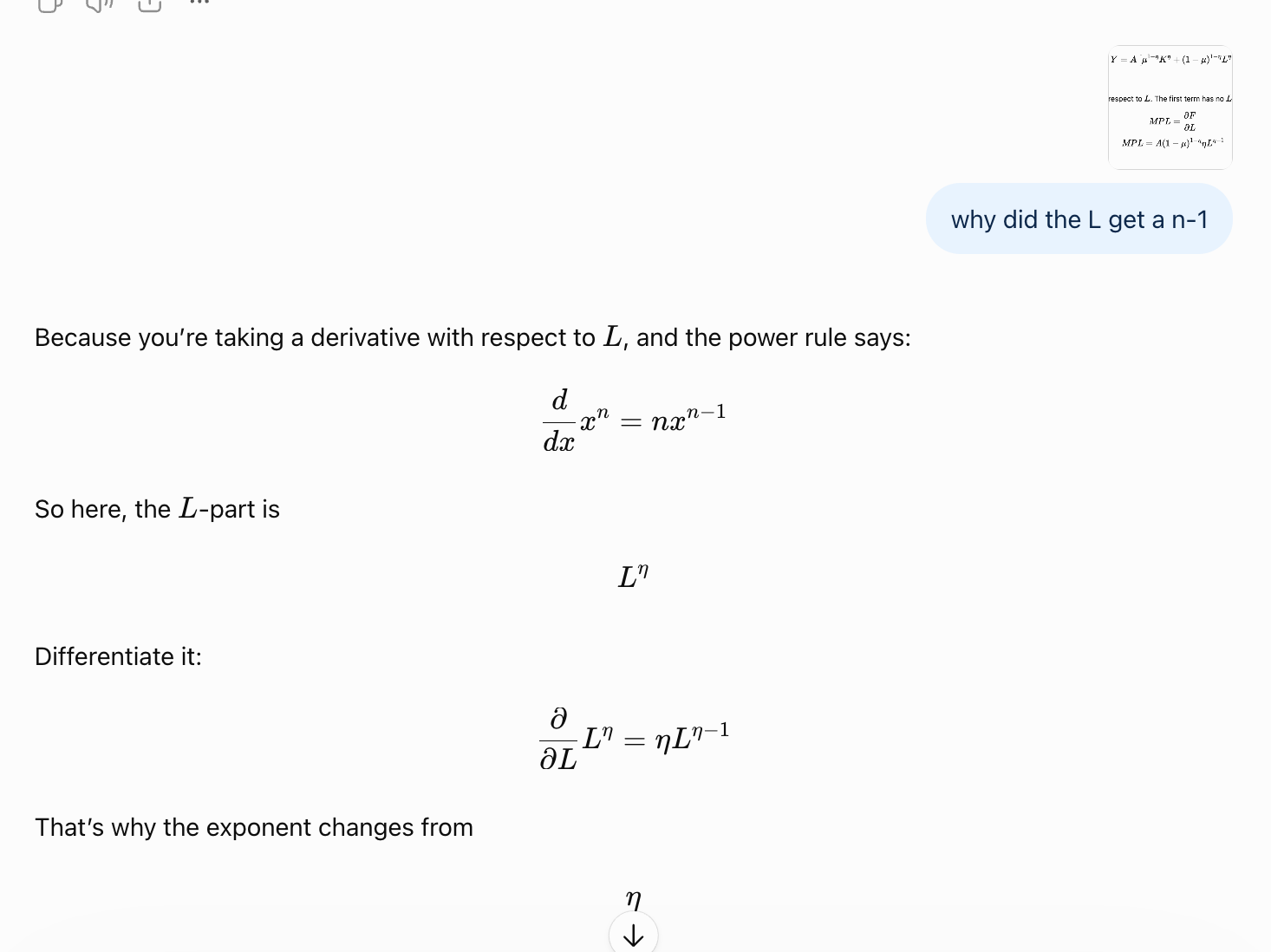
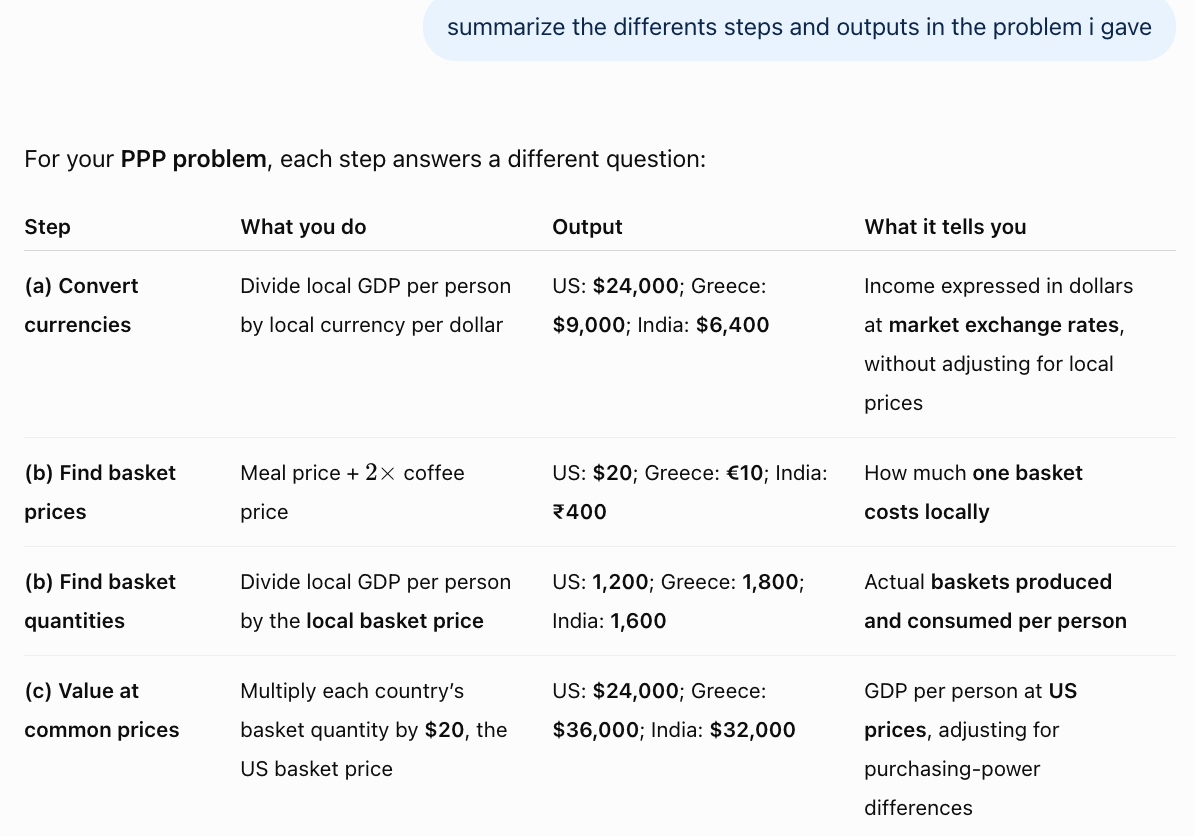
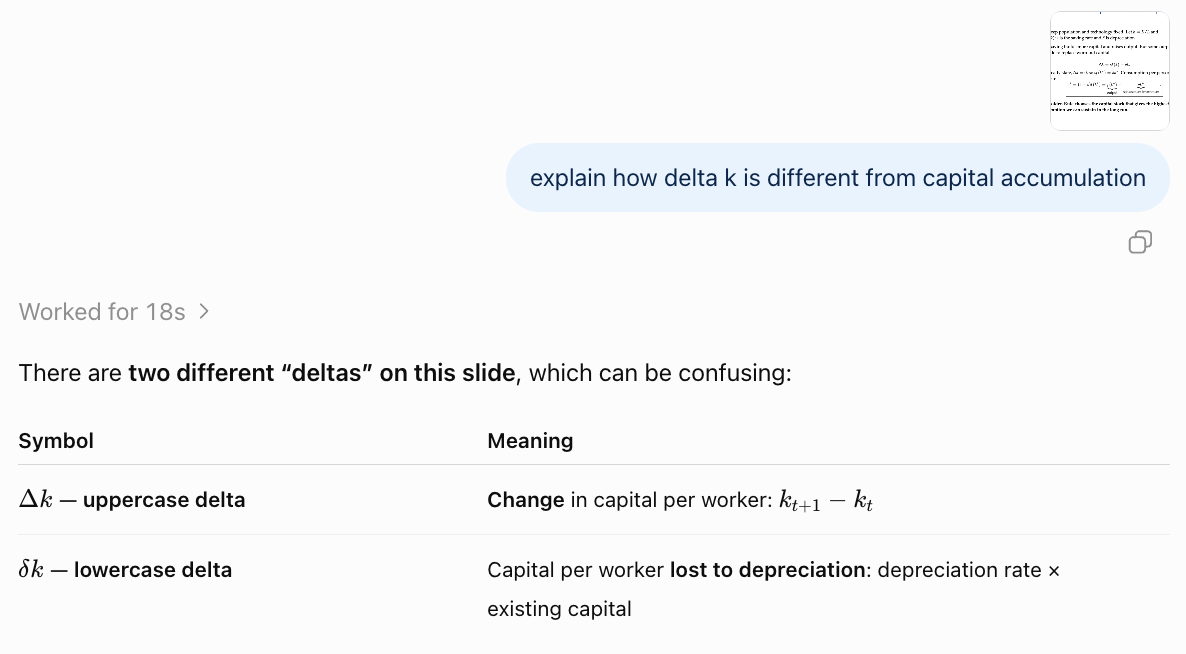
Sometimes I had misconceptions or questions that I struggled to articulate, but AI was able to interpret them and give a satisfying answer (if not on the first try).
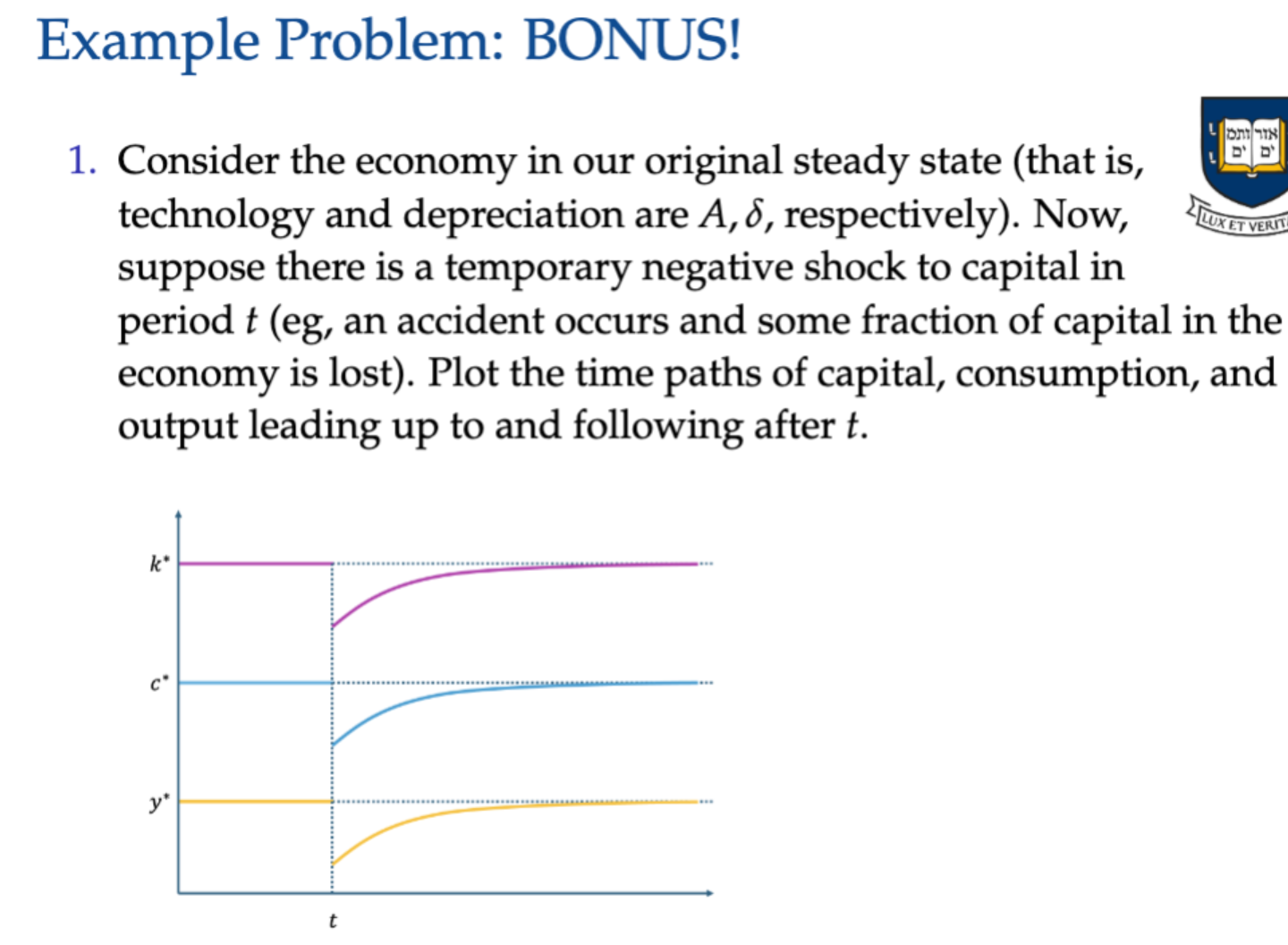
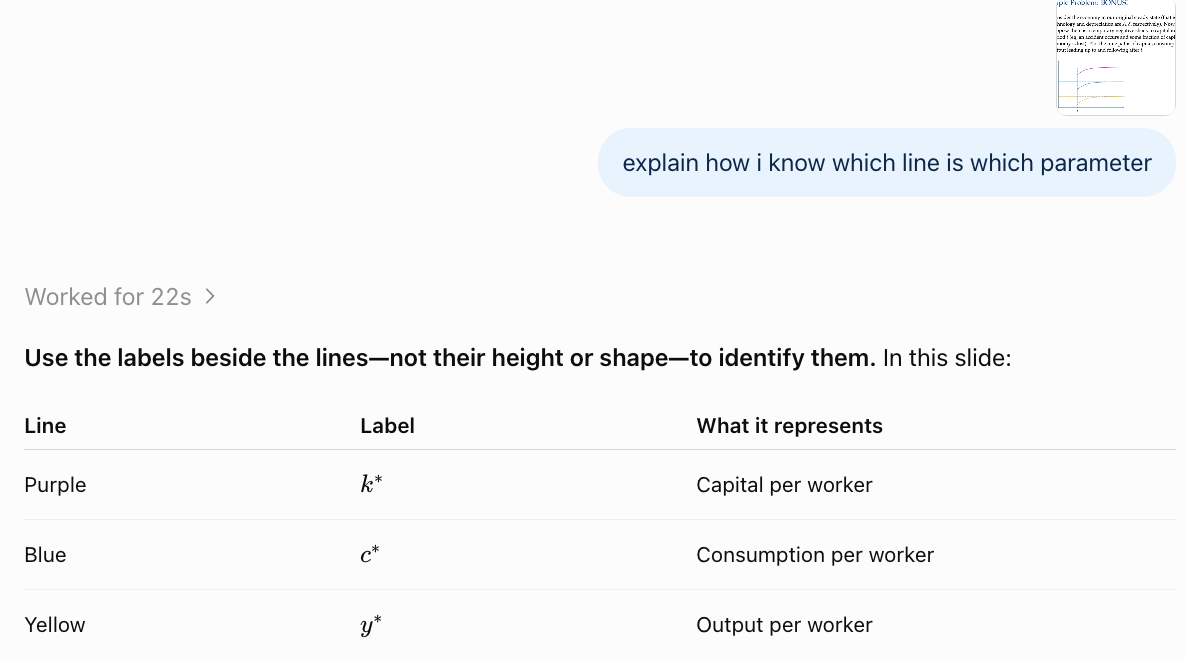
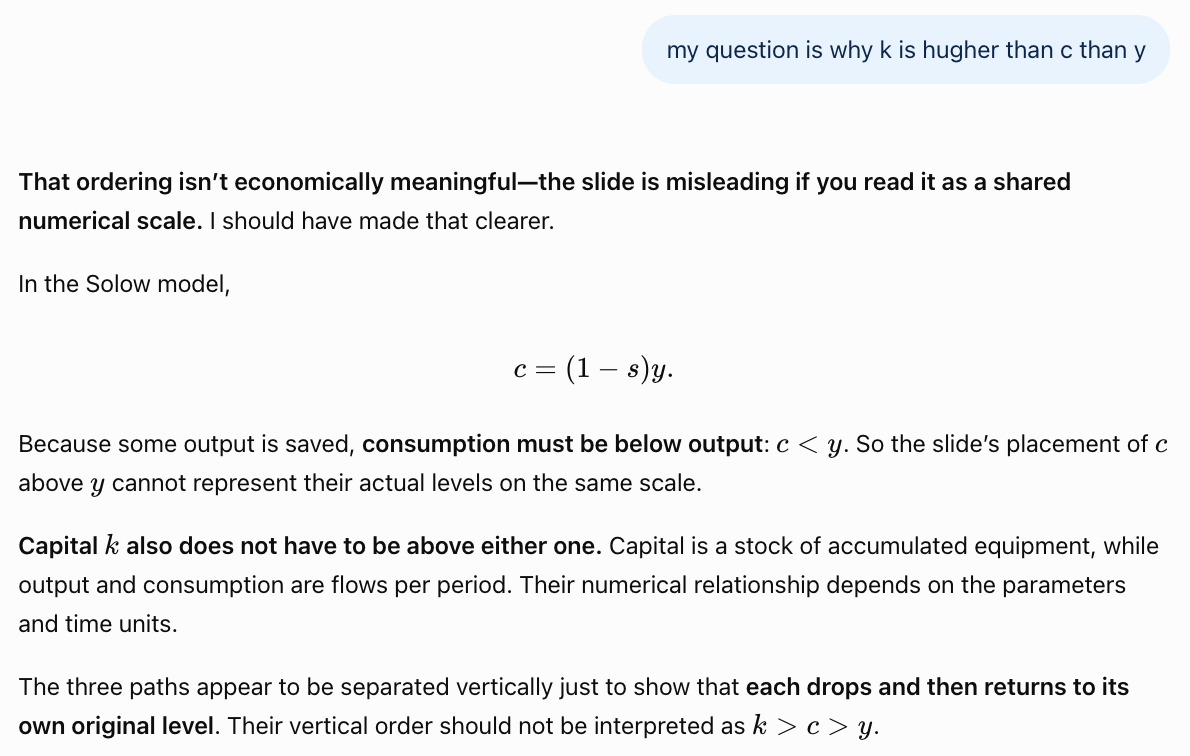
I am not so sure I would always get an answer to my actual question from my teachers, since I can’t always phrase it clearly enough (and I don’t want to take up more of their time). Still, I understand it is important to learn how to communicate where my confusion is to another human. Indeed, I really benefited from all the face-to-face time I had with the instructor, TFs, and peer tutors. The review session by my TF was beyond helpful, even after I had devoted significant time to studying on my own. In the end, I got a score I was proud of (as someone who had not taken an exam-based course in a full academic year, and for whom economics is not the most intuitive subject), I even high-fived one of my supervisors at work.
After my economics midterm, I had to study for econometrics. I tried to have the same approach to AI-assisted studying, but I just had less time. I think AI does a good job of teaching statistics and probability for the type of learner I am. I ask AI to quiz me, and those short quizzes can really help me build fundamental intuition or give me a quick diagnostic of what I should study. By uploading the lecture slides, I could also ask for questions to reinforce my learning. Other ways I’ve used AI to study for econometrics are asking for a plan of what I need to know and asking for feedback and corrections on my cheat sheet, which we are allowed to have during the exam, especially for the trickiest parts of the mock exams.
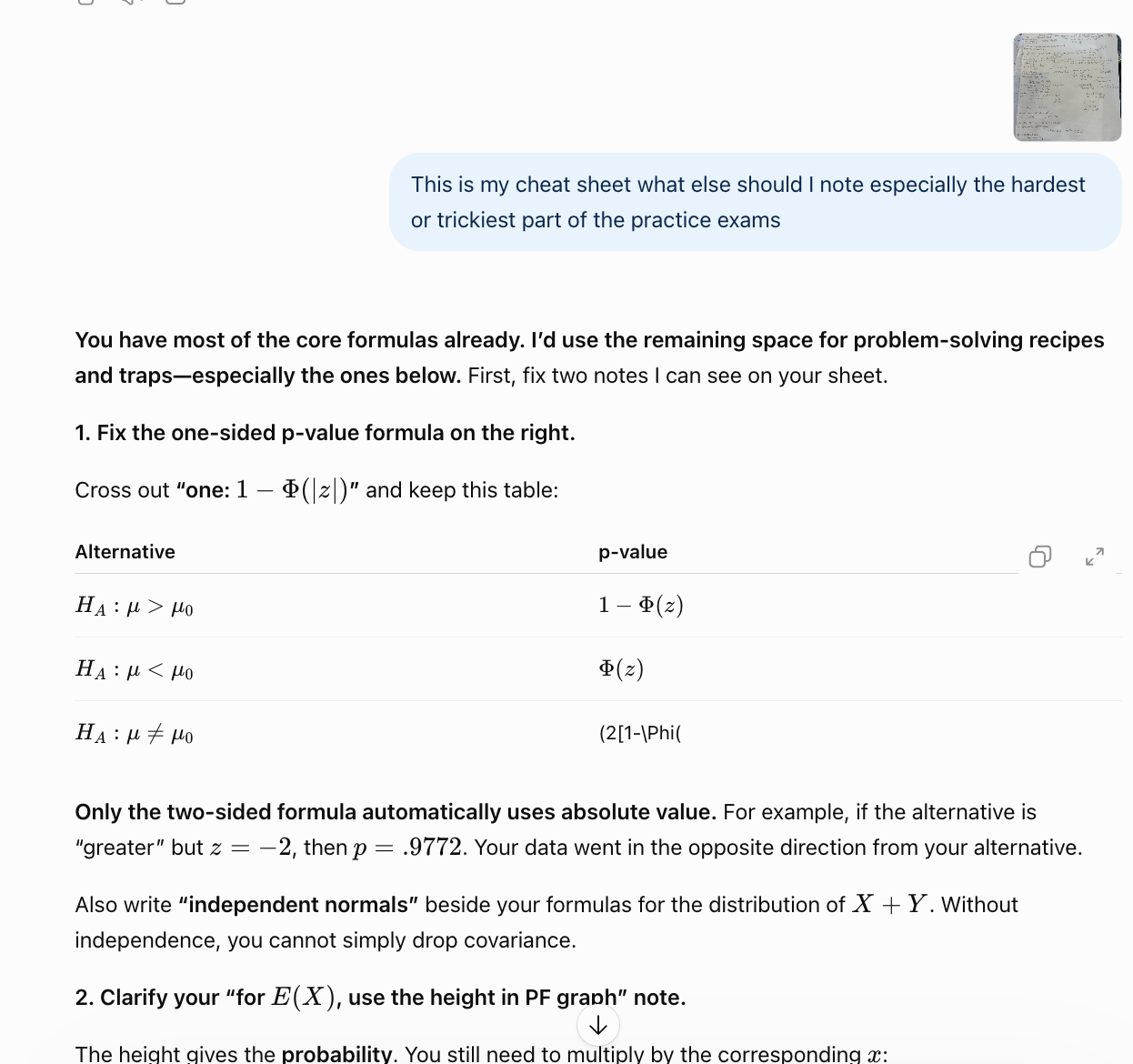
While I did not do as well as I would’ve liked on that midterm, I still believe that, given sufficient time, I could learn probability and statistics using AI, even solely with AI and course materials. AI makes the learning experience more bespoke, and I can have a back-and-forth that I otherwise could not have in a lecture. Yet I don’t deny that I could do better if I put the same amount of effort into econometrics as into my economics class, including just showing up and being present. I believe overcoming the friction of getting to class or section correlates with students’ effort in the course.
Going back to Shiro’s class, I think it was helpful to have a class on the fundamentals of probability, especially to level the playing field given the diverse learning backgrounds of the students in AQRD. For future iterations, I wonder if students could be encouraged to be proactive about using AI to supplement their learning, while recognizing that students have different preferences and learning styles.